

For years, the traditional first step onto the property ladder was clear.
It used to be buy a one-bedroom flat, build some equity, then move up the ladder later.
But that pattern is changing.
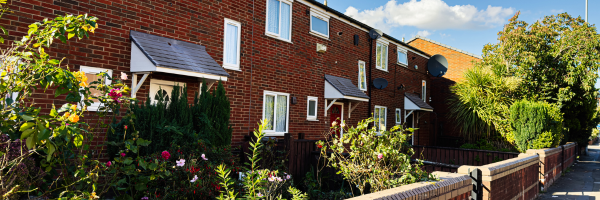
Today’s first-time buyers are increasingly looking past the one-bed flat and aiming for a small two-bedroom house instead. And when you look at how buyers live now, it is not hard to see why.
The first-time buyer of today is older than in previous generations. Recent reporting shows the average age is now around the early 30s, with some figures putting it at 33 or even 34, reflecting how much harder it has become to buy a first home.
That matters because a 33 or 34-year-old buyer is often thinking very differently from a 23-year-old buyer. They are not just looking for somewhere to sleep and store a few belongings. Many are thinking ahead. They may already be in a long-term relationship. They may be talking about starting a family soon. They may work from home at least part of the week. They want a home that gives them options, not one they fear they will outgrow almost immediately.
That is where the small two-bed house becomes so attractive.
A second bedroom brings flexibility. It can be a nursery in a year or two. It can be an office. It can be a guest room. It can be a dressing room, a hobby room or simply a bit of breathing space. Buyers are no longer just buying for where they are today. They are buying for where they think life may be going next.
The Covid years also changed how people think about home. Being shut indoors made many buyers reassess what really matters. Space suddenly became far more valuable. Not just square footage inside, but usable space outside too. A garden, even a small one, can now be a major selling point. It offers somewhere to sit, entertain, work, let children play or simply get some air without leaving home. The appetite for outdoor space has remained strong since the pandemic years, and gardens continue to rank highly with buyers.
Then there is the issue of flats themselves.
In the past, a one-bedroom flat was often seen as the sensible starter purchase. It was usually cheaper than a house and easier to get onto the ladder with. But today’s buyers are far more wary of the drawbacks.
One big factor is knowledge. Because first-time buyers are older, they are often more researched and more cautious. They know more about leaseholds. They ask more questions about service charges, ground rent, lease length, management companies, and future costs. Leasehold reform has been high-profile in 2026, and that alone has kept the subject firmly in buyers’ minds.
Service charges in particular have become a serious issue. Recent reporting says the average service charge for leaseholders in England and Wales has passed £200 a month. For a first-time buyer already watching every penny, that can be enough to make a small house look like the smarter long-term option, even if the headline purchase price is higher.
There is also the simple reality of living in a flat. Buyers may worry about noise from above, or about who might be living next door. In some blocks, short-term lets and Airbnb-style use can make a building feel transient and unpredictable. Many people want the feeling of coming home to their own front door, their own outside space, and a bit more control over their environment. Those emotional factors matter just as much as the financial ones.
Cladding has also left a lasting mark on buyer confidence. Even when a flat is not directly affected, the wider scandal has made many buyers nervous about apartments in general. Added to that is uncertainty around future costs, lending restrictions on some properties, and the fear of buying something that may be harder to sell later. Industry commentary in 2026 continues to note that cladding concerns, leasehold complications, and uncertainty around reform are still making some buyers hesitate over flats.
So yes, the small two-bed house now ticks a lot of boxes. It offers flexibility, privacy, outside space, a more family-ready layout, and, for many buyers, fewer perceived complications.
But what if you have a one-bedroom flat to sell?
First, do not panic. A one-bed flat can still sell well. But sellers need to be realistic about the market they are in.
The biggest mistake is assuming your buyer will automatically be a first-time buyer just because that would once have been the obvious fit; that is no longer guaranteed. Your likely buyer could be very different depending on location and lifestyle.
If your flat is opposite a train station, for example, the commuter market may be your strongest audience. If it is in a city centre, it may appeal to a professional who values convenience and low maintenance over garden space. If it is near a hospital, university, or a major employer, your target buyer may be someone who wants a practical base close to work. If it is in a smart period building or has character, that charm may be what pulls someone in.
In other words, know your buyer.
Do not market the property lazily. Think carefully about who it suits best and make every part of the presentation speak to that person.
Presentation matters hugely with one-bedroom flats because buyers are often comparing them against small houses. That means your flat has to feel as appealing as possible. It needs to look bright, stylish, clean and well cared for. Storage matters. Layout matters. Photography matters. Every square foot has to work hard.
If there is a balcony, stage it properly. If the flat gets great light, make sure the photos show it. If there is allocated parking, secure entry, a concierge, a lift or low-maintenance living, lean into those benefits. Sell the lifestyle honestly and well.
You also need to be upfront on the practical details. Buyers are asking sharper questions now, so be ready with the service charge, ground rent, lease length, EPC, council tax, and any major works information. The easier you make due diligence, the more confidence you create.
Pricing is just as important as presentation.
This is not the kind of market where sellers can simply test an ambitious price and hope for the best. If buyers already feel cautious about one-bedroom flats, overpricing will push them away fast. The right price creates viewings. The wrong price creates silence.
This means understanding exactly where it sits in today’s market and being honest about what buyers are comparing it with. A well-presented flat at the right price can still attract strong interest. A flat that is tired, cluttered, or overpriced will struggle to sell.
The good news is that one-bedroom flats still offer something many buyers want: lower maintenance, convenience, security, and, in some locations, a more affordable entry point than houses. But they no longer sell themselves as the obvious first rung on the ladder. Sellers have to work harder, think smarter, and market more strategically than before.
The market has changed because buyers have changed.
They are older, more informed, and more careful with monthly costs. They think more about future family life, working from home, and outdoor space. For many of them, a small two-bed house simply feels like a better answer to modern life than a one-bedroom flat.
That does not mean the one-bedroom flat is dead.
It just means it needs to be marketed with much more intention.
If you are selling a flat/apartment, presentation, positioning, and pricing have never mattered more.
email This email address is being protected from spambots. You need JavaScript enabled to view it.
01603 660000